
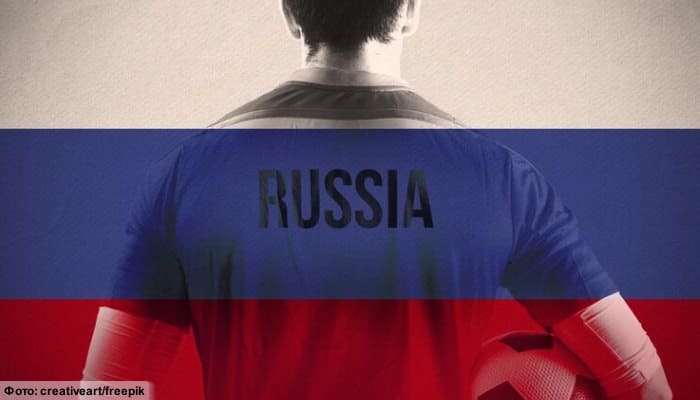
The impact of sanctions on Russian sports: how international restrictions are changing the sports landscape in the country. What new opportunities await athletes and fans?
The international sanctions imposed on Russia in 2022 have had a significant impact on Russian sport. The restrictions affected almost all aspects – from sources of funding to participation in international competitions.
Sanctions are a serious challenge for Russian sport and at the same time an opening of new opportunities for development. And success depends on the readiness to adapt to the existing conditions and effective realization of the potential.
Key changes
Changes that Russian sport has undergone with the introduction of sanctions:
- Reduced funding;
- restrictions on participation in international competitions;
- cancelation of international championships on the territory of the Russian Federation;
- search for new partners and formats for tournaments.
Financing
The introduction of international sanctions against Russia has had a tangible impact on Russian sports. A sharp reduction in funding is a painful consequence of the restrictions.
According to the Russian Olympic Committee, in 2023 alone, due to the withdrawal of sponsors and termination of support from international organizations, funding for sports programs worth more than 3.5 billion rubles was suspended. The training of the Olympic reserve has suffered first of all.
Reasons for the reduction in funding:
- withdrawal of sponsors – large international companies stopped cooperation with Russian sports organizations;
- a number of international federations suspended payments to athletes.

Sports organizations actively seek new sponsors among Russian companies and focus on the development of mass sports to attract private investment.
Reduced funding leads to an exodus of talented athletes and coaches, reducing the competitiveness of Russian sports on the world stage.
Overboard

Immediately after the start of the 2022 events, the international federations closed their doors to Russia. In 2023, the Olympic Games committee relaxed the conditions. According to the requirements, Russian athletes could participate in international championships in a neutral status and not publicly support the events in Ukraine. In practice, the requirements have caused confusion.
Some sports federations ignore the conditions, while others put forward additional requirements, making it almost impossible for Russians to participate in competitions.
Consequences for sport:
- a blow to prestige – the absence of Russian athletes on the international arena negatively affects the image of Russian sports;
- reduced competition – lack of opportunity to compete with the world’s strongest athletes hinders professional growth;
- psychological pressure – uncertainty and double standards create a nervous environment for athletes.
Russian officials are working to restore athletes’ right to participate in international competitions. However, the situation is complex and ambiguous.
Cancellation of international championships
The imposition of international sanctions on Russia has led to massive bans on holding sporting events in the country. “Cancel under pressure” deprived the right to hold significant tournaments, including stages of the World and European championships.
The country has lost significant profits from tourism and publicity of hosting major championships. Planned construction and modernization of sports facilities has been frozen.

The Russian government has focused on domestic tournaments and the development of sports within BRICS and the CIS. “Future Games” and “World Friendship Games” have already caused discontent on the part of the international Olympic Committee.
Despite the difficulties, active work is underway to attract sponsors from among Asian companies. “World Friendship Games”, which are scheduled for 2025, will give athletes the opportunity to show their skills and enter the fight for medals.
The government pays special attention to the development of mass sports and the creation of modern sports infrastructure in the regions.